Traveling Solo for Work? Why Single Occupancy Housing Is the Safer, Smarter Choice
If you're traveling alone for work — whether you're a travel nurse, a contractor on assignment, or a corporate employee sent out of town for months at a time — where you sleep at night matters more than most housing platforms account for. Safety, quiet, and predictability aren't luxuries when you're solo in an unfamiliar city; they're basic requirements. Here's why single-occupancy extended stay housing tends to be the smarter choice for solo travelers, and what to actually look for.
The Hidden Risk of General Short-Term Rentals
Platforms like Airbnb and VRBO weren't built with solo work travelers specifically in mind — they're built for whoever's booking, which means your neighbors on any given night could be a bachelorette party, a family reunion, or a group of tourists staying up late. For someone working night shifts or early mornings alone, that unpredictability isn't just annoying — it can genuinely affect how safe and rested you feel.
There's also the matter of who else has access to the property. A general rental host may not screen other guests carefully, may allow guests to bring visitors, or may not have consistent security measures from one listing to the next. This is part of why healthcare staffing resources like Vivian Health's community guide for travel nurses regularly flag housing safety and vetting as a top concern for first-time travelers.
What "Single Occupancy" Actually Means for Safety

A property that's genuinely built for single-occupancy, professional stays tends to look different in a few concrete ways:
Consistent guest profile. Your neighbors are also traveling professionals — nurses, contractors, corporate travelers — not weekend tourists or party groups.
Individual, lockable entries. Rather than shared common spaces, each guest has a private, secured room.
Standardized security measures. Cameras, well-lit parking, and smart locks across every unit — not dependent on which specific host you happened to book.
On-site management. Someone accountable is actually present or nearby, rather than a remote host you can only reach by text.
Screening at booking. Properties that manually review reservations (rather than instant-booking anyone) tend to maintain a more consistent, predictable guest population.
Practical Safety Tips for Solo Work Travelers
Regardless of where you end up staying, a few habits are worth building into your routine:
Check for exterior lighting and camera coverage before booking, not after you arrive.
Confirm the property caters to long-term/professional stays, not primarily overnight tourists — this alone changes the guest mix significantly.
Ask about parking security if you're driving, especially for night-shift schedules.
Look for contactless or smart-lock check-in so you're not relying on meeting a stranger to get your key at odd hours.
Read recent reviews specifically from other solo or professional travelers — they'll flag safety concerns that a general review might miss.
Purpose-Built Housing: Designed for Single-Occupancy Living
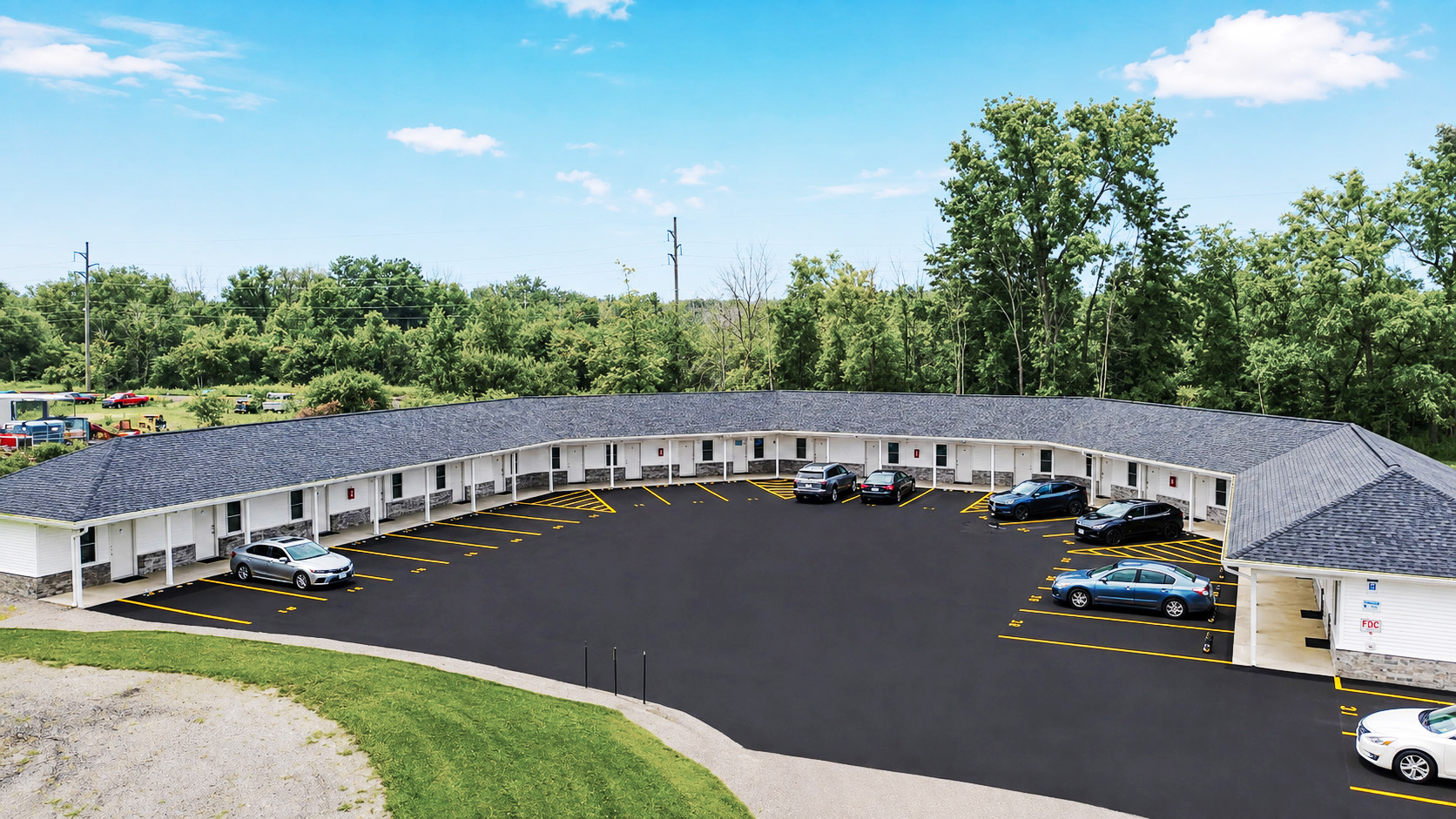
Twin Rock Suites in Ontario, NY was built around exactly this principle: single-occupancy suites for traveling professionals only — no shared units, no walk-in tourist bookings. Specific features include:
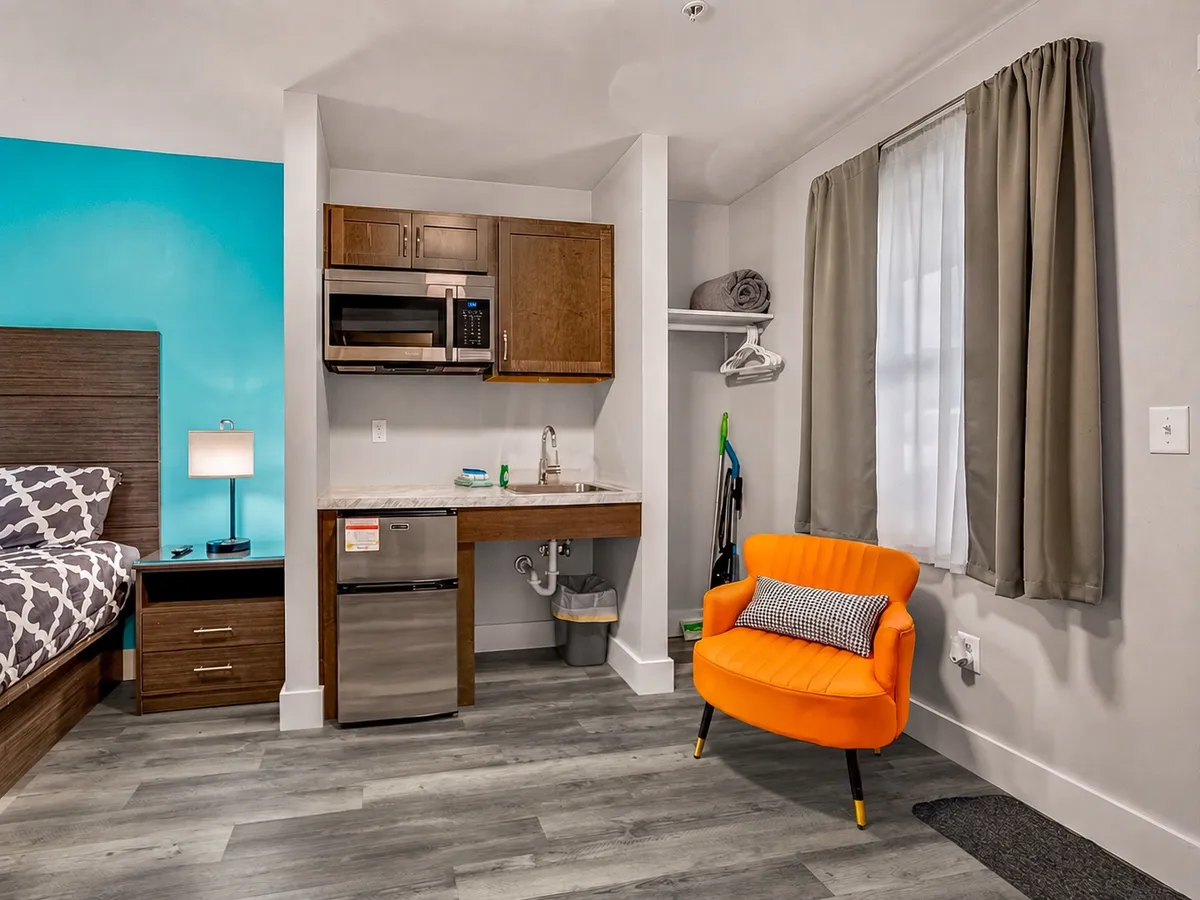
Individually secured suites, each with a private bath and smart-lock entry
24/7 security cameras covering the well-lit parking area
A guest population made up almost entirely of travel nurses, tradesmen, and other working professionals — not vacationers
On-site owners (Josh and Maria) who guests consistently describe in reviews as attentive and responsive, including clearing snow early and checking in on long-term guests
Manually reviewed reservations, requiring guests to be 21+, traveling professionals with a permanent out-of-town residence
One current travel nurse guest specifically noted feeling safe staying there solo and said she'd recommend it to other traveling professionals — which is exactly the kind of outcome single-occupancy, professional-only housing is designed to produce.
Bottom Line
When you're traveling alone for work, housing isn't just about a bed and a kitchenette — it's about walking in the door after a long shift and actually feeling like you can relax. Single-occupancy, professional-only extended stay housing is built around that need in a way general short-term rentals simply aren't.
For more safety-focused housing tips for solo travelers, visit the Twin Rock Suites Living Guide.
You Shouldn't Have to Choose Between Affordable and Safe
Traveling alone for work is hard enough without worrying about who's staying next door. Give yourself housing that's actually built with your safety in mind — not an afterthought.
Reserve Your Single-Occupancy Suite →
